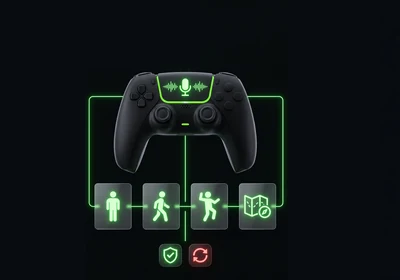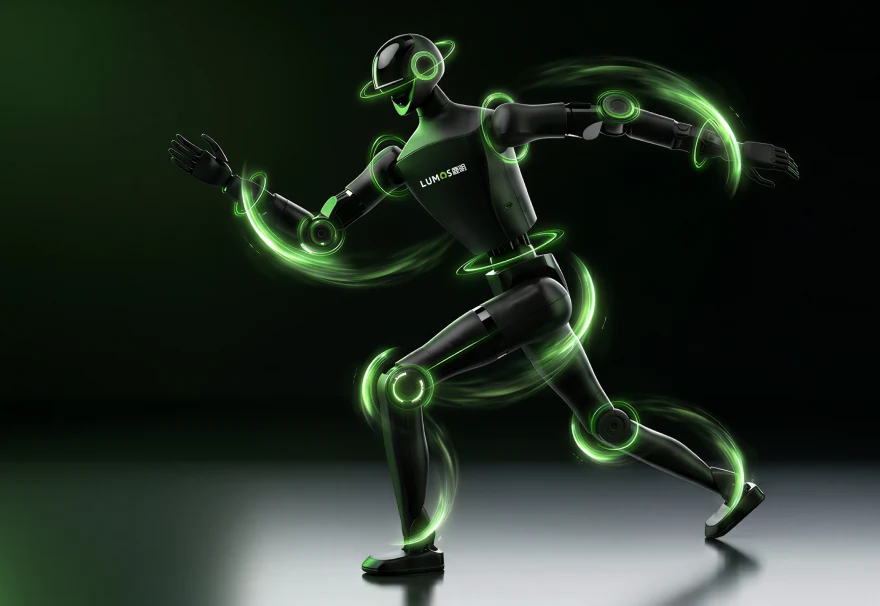
Straight-Leg Natural Gait
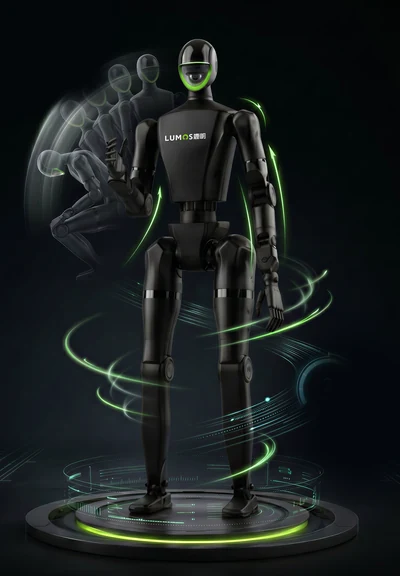
Stable and natural bipedal locomotion.

LUS 2
LUS 2 is a full-size humanoid robot from Lumos Robotics, purpose-built for research, education, and commercial applications. It combines advanced robotics and AI to perform a wide range of complex tasks, including object manipulation, navigation, and human-robot interaction.
Capabilities
Stable and natural bipedal locomotion.
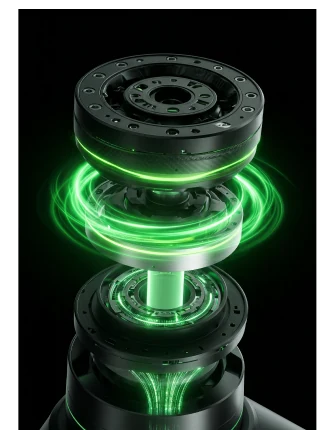
High-torque joints support dynamic motion control.
The world’s first full-size humanoid robot capable of standing up in just 1 second.
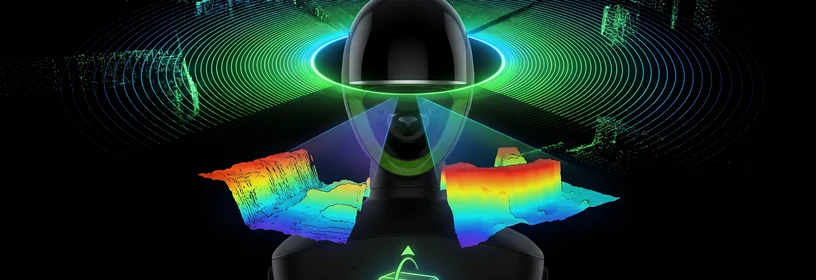
Covers environment sensing, navigation, and obstacle detection.
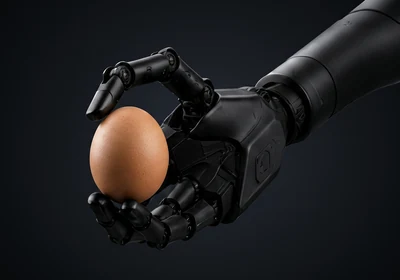
Supports 3 kg payload and fine manipulation tasks.
Friendly for teaching, research, and secondary development.
Overview of body structure, power and sensing, and development support.
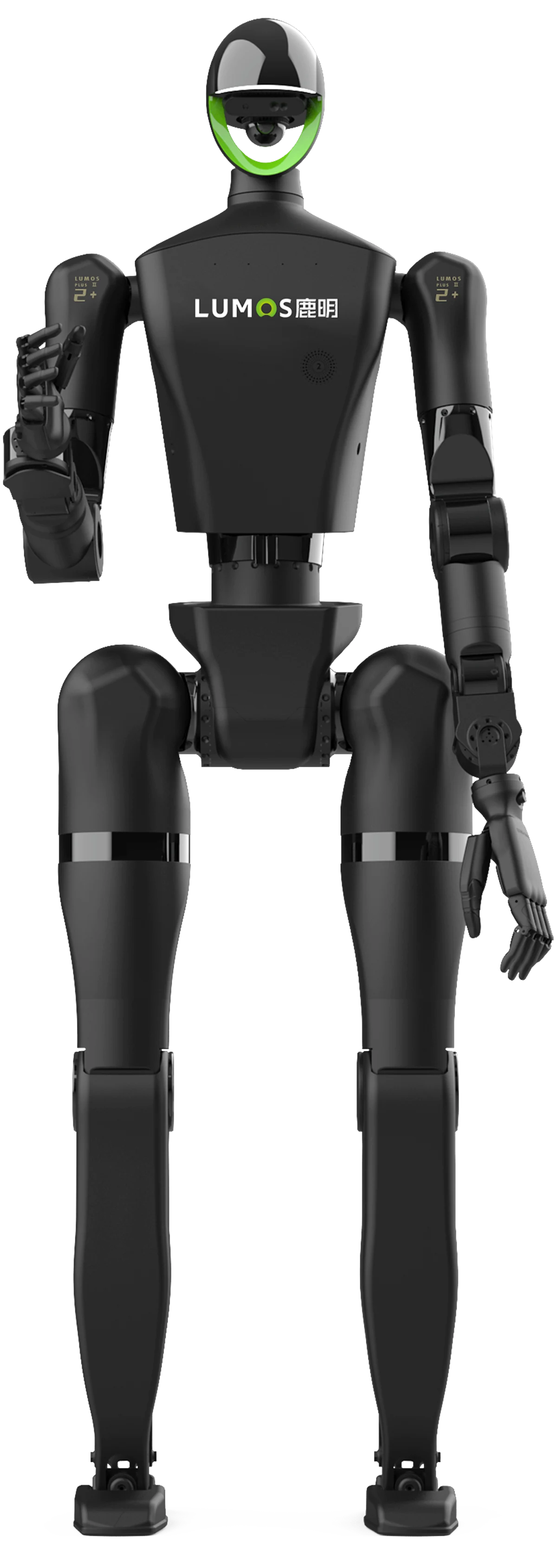
Focused on diverse scenarios, showcasing LUS 2 in mobility, interaction, and task execution.
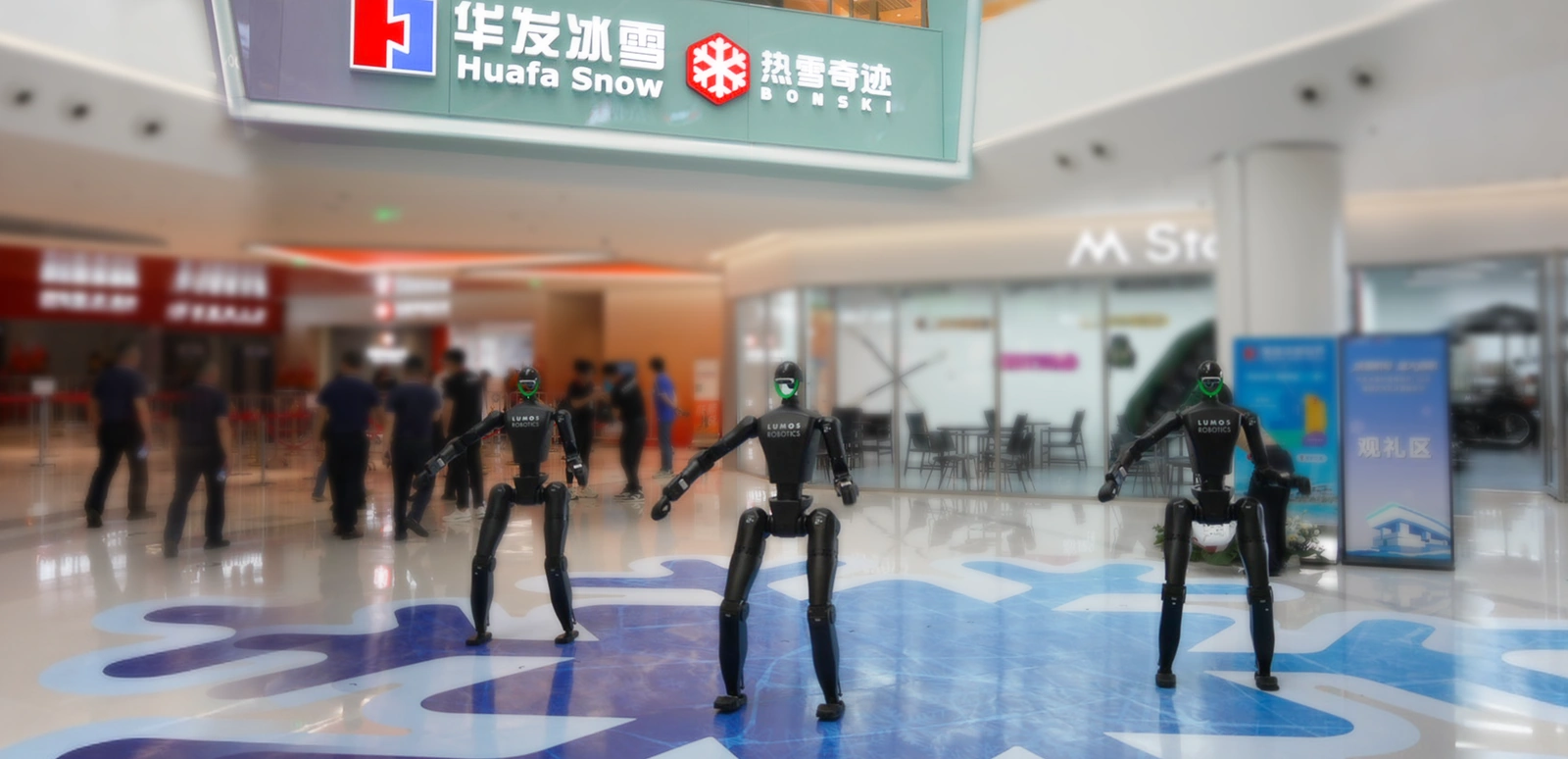
Handles stage performances, atmosphere interaction, and coordinated motion tasks in entertainment settings, providing a capable platform for creative cultural experiences and on-site impact.

A full-stack industrial embodied AI capability system built on three integrated pillars: scenario resources, data and model capabilities, and hardware infrastructure.